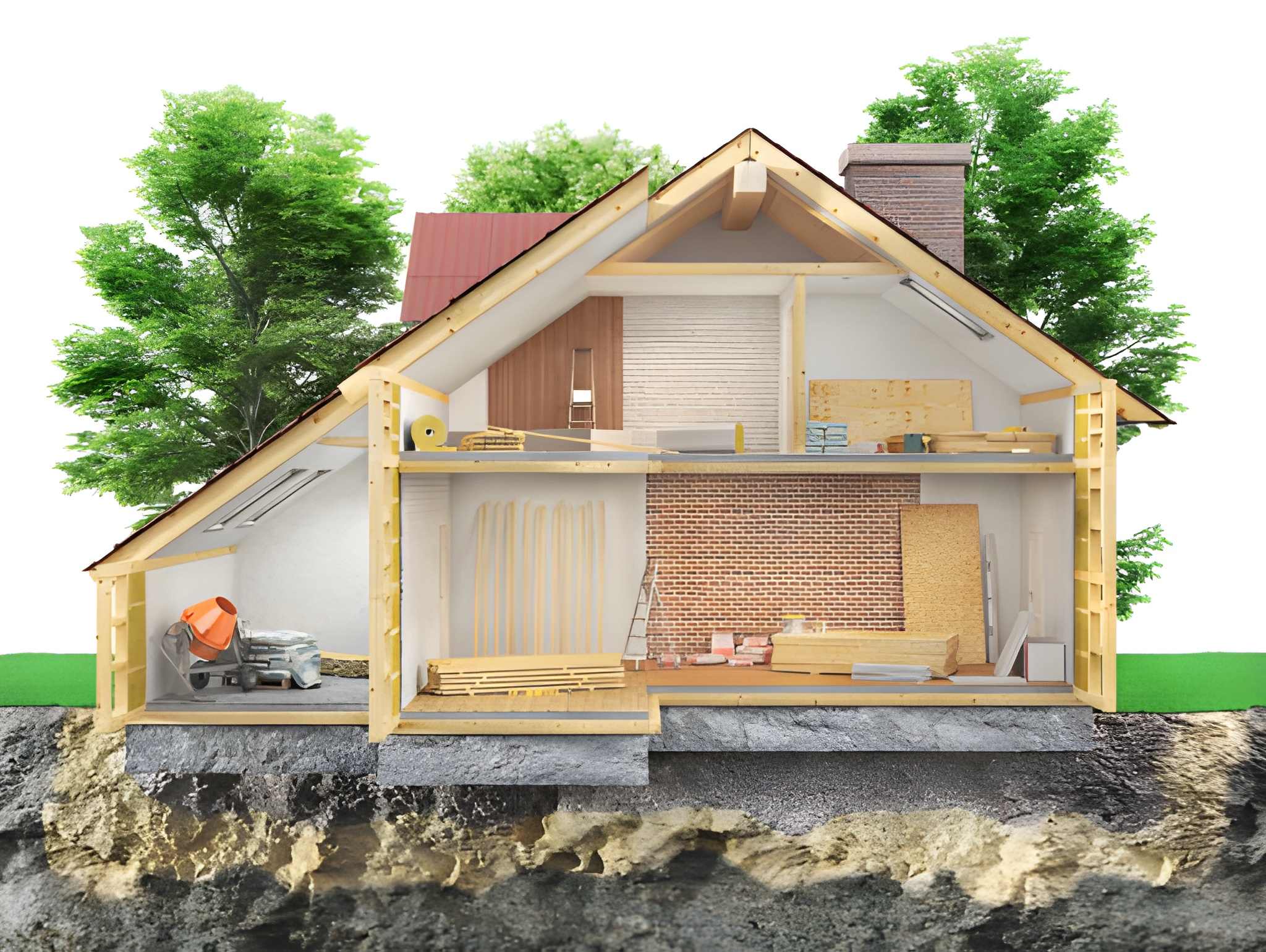
A basement extension is one of the smartest ways to add valuable living space while increasing the overall property worth. Homeowners are converting basements into modern leisure rooms, home offices, gyms, and guest suites. However, because basements are built below ground level, they naturally face risks of water intrusion and dampness. To protect your investment and enjoy a safe, dry space, flood prevention must be at the centre of every basement extension plan.
Professional Waterproofing Systems
Your basement’s strongest shield against flooding starts with proper waterproofing. Concrete is porous, and without proper protection, water can seep through walls and floors, causing mold, unpleasant odours, and long-term structural damage. Cavity drainage systems, tanking membranes, and waterproof coatings help create a sealed barrier that keeps moisture out. Incorporating these systems early in construction ensures durability and a comfortable indoor environment.
Smart Drainage and Sump Pump Solutions
Even with robust waterproofing, an effective drainage strategy is essential. Perimeter drains channel water away from the property, preventing pressure buildup around foundation walls. Sump pump systems with backup batteries or alarms remove excess groundwater during storms or plumbing failures. This automatic mechanism offers peace of mind, especially in areas with high rainfall or older drainage networks.
Secure Entry Points and Vulnerable Areas
Water can enter through the smallest gaps if they are ignored. Pipe entries, window wells, floor joints, and wall edges should be sealed using premium moisture-resistant materials. Vapor barriers and high-grade insulation further reduce condensation and protect interior finishes. These detailed yet crucial steps stop hidden moisture problems before they escalate.
Durable, Moisture-Resistant Building Materials
Choosing the right materials enhances longevity and reduces repair costs. Water-resistant flooring such as vinyl, ceramic tiles, or specially treated concrete withstands unexpected leaks without swelling or warping. Reinforced structural elements ensure that walls can handle hydrostatic pressure from surrounding soil.
Ongoing Maintenance and Monitoring
Flood safety doesn’t end after construction. Regular maintenance like inspecting sump pumps, clearing drainage paths, and tracking humidity levels keeps your basement extension performing strongly. Running a dehumidifier when needed also ensures air remains fresh and healthy throughout the year. Homeowners seeking Basement Extension London services must prioritise these preventive measures to maintain long-term safety and value.