



Underpinning

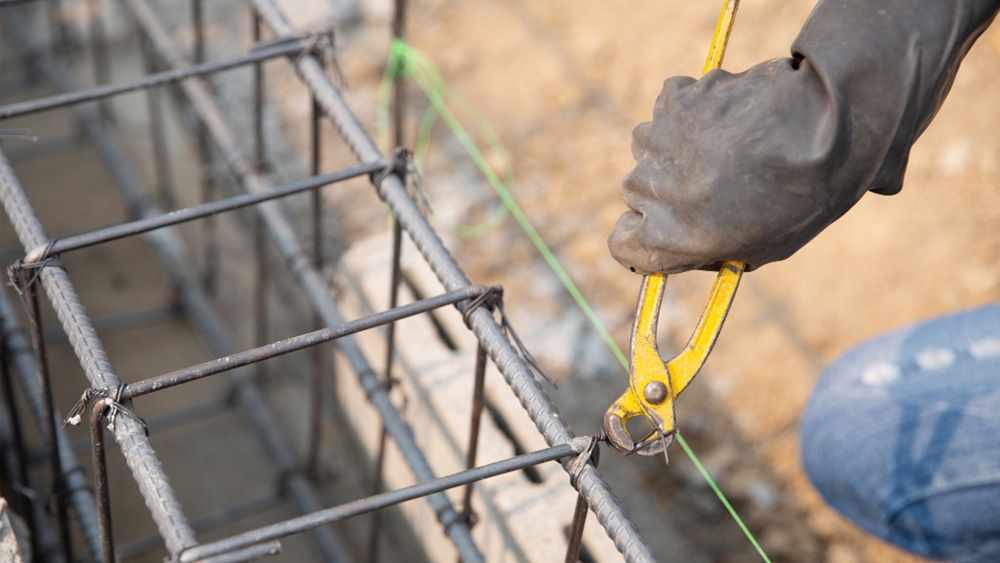
There are various types of underpinning methods Traditional Box Underpinning Mini Pile Underpinning Beam and Base Underpinning.

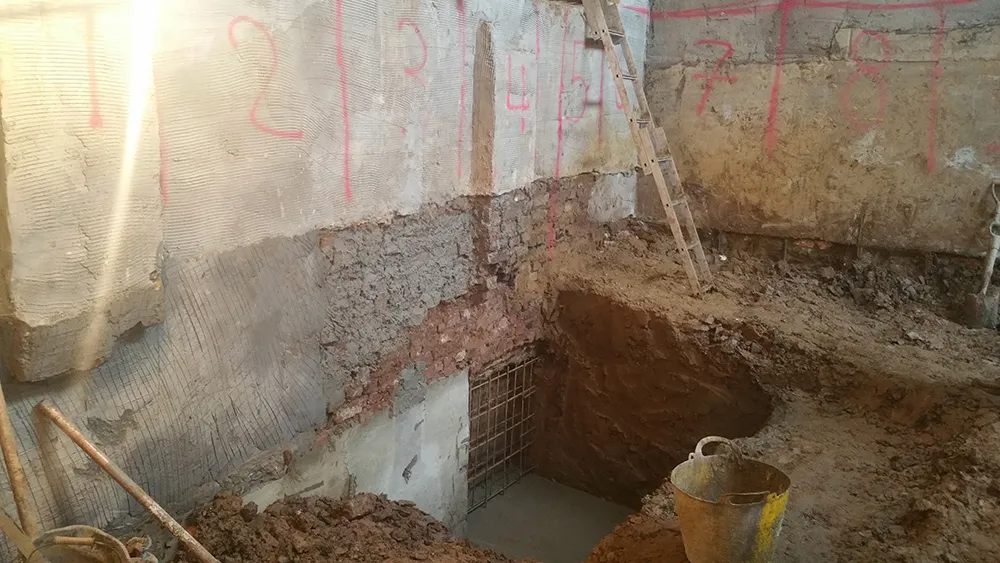
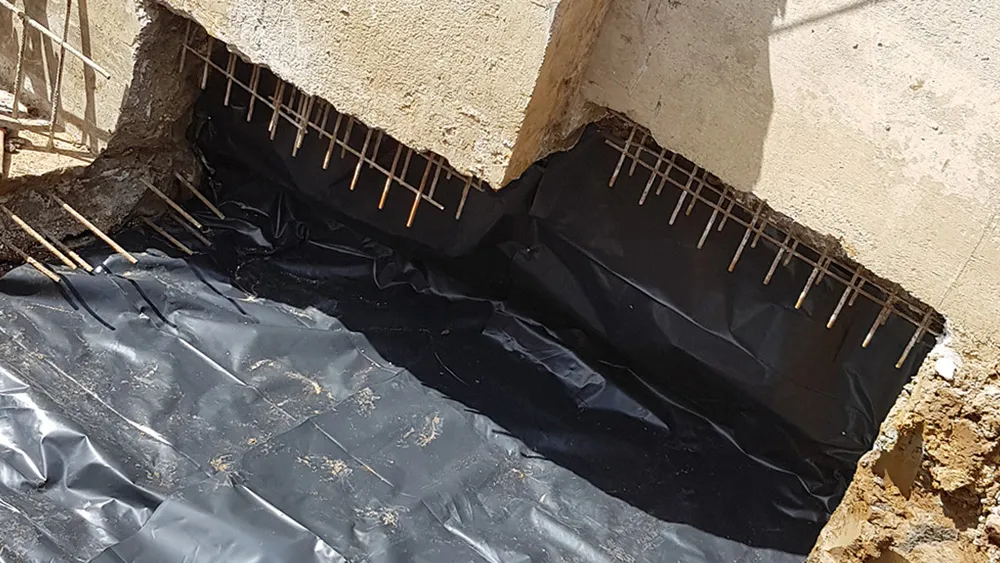
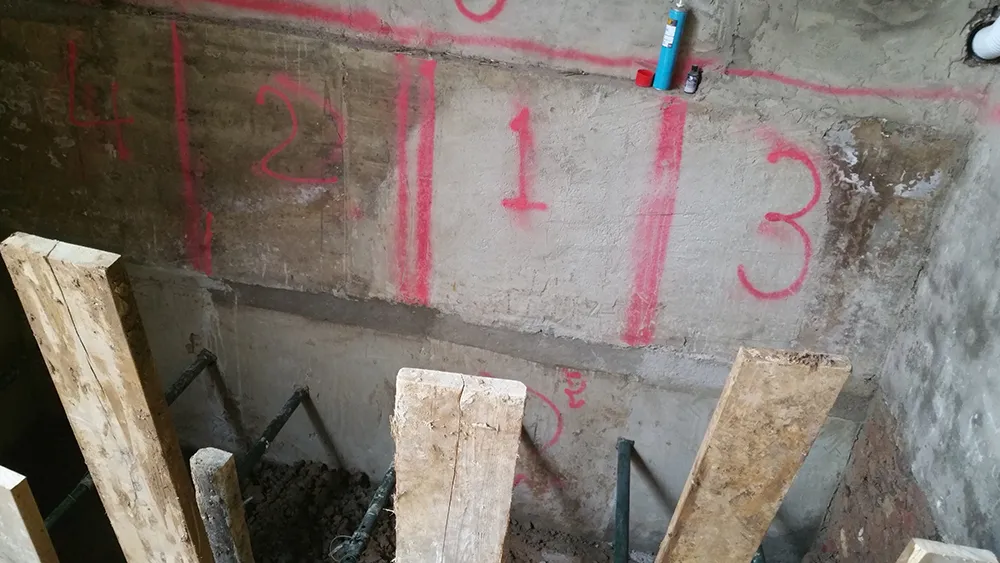
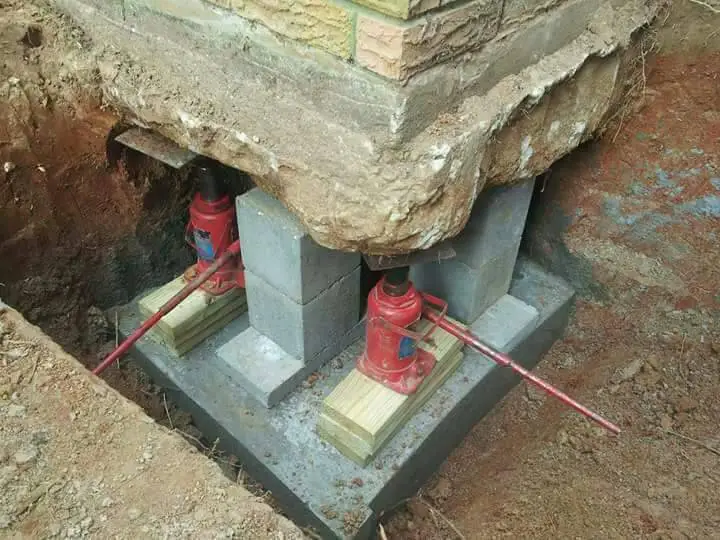
Many buildings in the UK are several decades old and most of these buildings upon close investigation reveal a shallow foundation or a lack of foundation.  Despite this, these properties have stood the test of time and only in recent times, due to their age and as a result of ground movement due to various human pressures these buildings need some remedy to keep them standing.  To ensure that they remaining standing we underpin the building using a strong concrete mix to extend the width and the depth of the existing foundation to a level where the ground can support the existing and any planned additional loads on the building.

There are various types of underpinning works to support and prop up the foundations of a building as a result of the ground conditions changing or other environmental and structural factors that require the foundations to be strengthened.  Or it maybe required to support additional loads on the building as a result of new storeys being added or to create new walls as a result of basements being formed. The two popular methods of underpinning we use are traditional box method or piling.  We have the engineers and geo technical specialist to produce the appropriate underpinning solutions. Prior to the start of any underpinning work a geo technical survey will need to be done to determine any matters for example that relate to ground water and ground heave.  All these factors are crucial in determining the cost, the safety of the building and the methodology of the works.

Party Wall Agreements

Not many people are aware of the importance and the need for a party wall agreement between them and their neighbour prior to the start of any works.  Party wall agreements are intended to make clear to each how the work is going to be done, what safety precautions will be taking place and how each property is going to be affected. This is even more crucial when the underpinning will extend below and into the neighbouring property since the pin will need to be wide enough to safely encompass both the properties.


The Party Wall Surveyor will take detailed notes of each of the properties that are affected and will mark out any defects and list them in the agreement – this avoids the potential at a later date where one property owner accuses the other of causing damage to their property once works have commenced and have been completed.  Also solicitors when doing conveyancing will ask for details of any party wall agreements in the event any works are done to the foundations of the building.  The costs of the Party Wall Agreement are borne by the person needing the work done to their property.

Frequently Asked Questions

What is underpinning building construction and why are they required in London?

Underpinning is a structural engineering technique to reinforce and stabilize the foundation of a building. It is required when current foundations can no longer be strong enough to hold the structure safely. Most of the properties in London are older and constructed on clay soil, which swells and shrinks with changes in moisture. This movement commonly causes instability of the foundation and therefore underpinning is necessary to ensure long term stability.

Houses in London, particularly those in Central London and boroughs such as Westminster, Kensington and Chelsea and Fulham are often decades or even centuries old. In the course of time, the situation on the soil changes and the construction works conducted nearby could influence the ground stability. Clay soils in particular are very susceptible to the effects of weather and as a result they experience subsidence and structural movement that can only be solved by using professional solutions of underpinning.

The property owners are to look on visible cracks on the walls, particularly the diagonal cracks or stair step cracks, uneven floors, doors and windows that are difficult to open or close, as well as gaps that appeared between the walls and ceilings. These problems are usually the initial signs of foundation action which might need the attention of the skilled underpinning contractors in London.

CSMANLTD implements several methods that have been proved to be efficient in different building conditions and soil analysis. These involve: mass concrete underpinning in traditional stability, beam and base structure in enhanced load distribution, and mini piled underpinning in greater structural support under more complicated ground conditions as exemplified in areas such as Barnet, Harrow and Brent.

Any selection process starts with a thorough structural analysis. The engineers analyse the foundation depth, the soil condition, the degree of movement, and the entire building design. On the basis of this analysis, the most appropriate underpinning method that will be cost effective to use is suggested to ensure that structural stability can be achieved in the long term.

Underpinning time is dependent upon the size of the property and the severity of the foundation problem. Smaller residential work can be completed within a few weeks, whereas bigger or more complex projects in Central London can take several months. The time frames are also affected by the terms of access and legal permits.

Generally, the compliance with Building Regulations in the UK is required to underpin. Moreover, the party wall agreement may also be a legal requirement prior to the commencement of work in the event that the property shares a wall with a neighbour, which is common in London boroughs like Brent, Fulham and Kensington and Chelsea.

The Party Wall Act is a legislative mechanism that safeguards the respective property owners in which structural activities impact shared boundaries. It makes sure that neighbours are informed, and they are in agreement with the work, which would reduce the number of disagreements and ensure the safe implementation of underpinning projects in congested areas of London.

In most instances, homeowners are able to occupy their estate when undertaking underpinning. There could however be noise and vibration and limited access in some places. In cases involving a bigger or more complicated project, temporary relocation could be suggested due to its safety and convenience.

The prices of underpinning differ greatly with the depth of the foundation, the soil characteristics, accessibility and method employed. In high density boroughs or Central London, there can be extra logistical expenses incurred on properties. To offer a clear and clear quotation it is necessary to have a full site survey.

Underpinning prevents additional movement of the foundation, which will prevent the creation of new cracks. The pre-existing cracks can then be cosmetically repaired. After the foundation has been properly stabilized, structural integrity of the building is recovered and preserved in the long term.

CSMANLTD has a history of over 30 years in structural repair and underpinning throughout London. The company has had a broad scope of residential and commercial work, and has ensured that the work has met the UK building regulations, and has provided reliable long-term foundation solutions.

The services are available in Central London and the surrounding boroughs such as Hammersmith and Fulham, or Westminster, Kensington and Chelsea, or Barnet, Harrow, Brent, Wembley and Wimbledon. This extensive coverage guarantees prompt action and local know-how in Greater London.

A lot of London is situated on clay-based soil which swells in wet seasons and contracts in dry seasons. This is the constant movement that strains the foundation of buildings resulting in subsidence and structural instability. This is among the primary reasons why companies in London are often demanded.

Professional contractors adhere to strict engineering and UK safety regulations. Monitoring of the structure is done on a regular basis during the project and the work is done in controlled phases so as to ensure that the building is stable at any given time during the underpinning process.

Yes, when well carried out underpinning can safeguard and even increase property value by fixing structural problems. Stabilized foundations are considered by buyers and surveyors, as indicators of a secure and well-maintained house, particularly in high value London locations.

A reliable company must be shown to have an experience, qualified structural engineers, transparent pricing, insured, and a good track history in London upon which projects are based. The familiarity with the conditions of the local soils and the style of the building is also critical.

Once the structure is completed it is observed to ensure that it is stable. Any cosmetic work, including a plaster or wall finishing can then be done. A professional contractor also issues documentation that the foundation has been structurally reinforced.

Underpinning can be viewed as a long-term structural solution when implemented properly by competent engineers. It transfers the building load to more stable layers of the soil, preventing any further movement and shortening the lifespan.

CSMANLTD is a company with more than thirty years’ experience in London, its soil conditions and construction work. The company specializes in safe engineering practices, regulatory compliance as well as providing long term structural stability to homeowners and businesses across Greater London.

Technology to take products from
an idea all the way to the end consumer.
#Request a quote.

TESTIMONIALS

WHAT OUR CLIENTS SAY