How to plan a DIY basement conversion in the UK Planning on a DIY basement conversion in the UK requires some serious thinking and planning to make sure your underground space is safe, useable and can be integrated within building regulation. A good plan will not only save time and money, it can make an unused basement a comfortable place to spend the day.
Assess the Basement Space
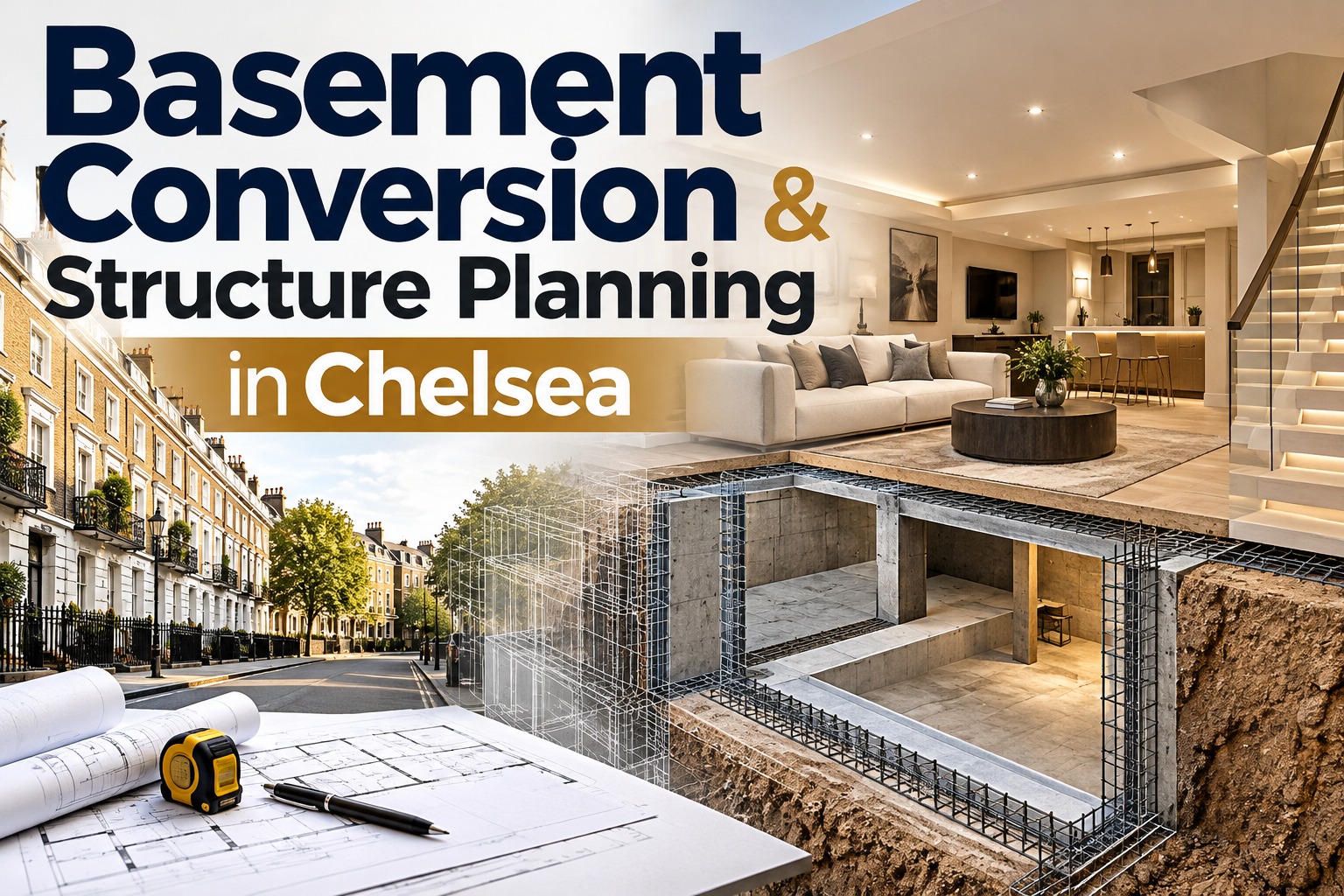
The place to start is by assessing the size, layout and condition of your basement. Note the ceiling height, the location and type of structural walls and whether there might be any moisture present. We will also highlight what parts of the home may need underpinning or additional support, particularly for older UK properties. Knowing these limitations allows you to set the right expectations for your conversion.
Set a Budget and Timeline
The average cost of DIY basement conversions can range widely, depending on how complicated the work is. Develop a comprehensive budget that accounts for materials, tools, permits, and any professionals you’ll need to consult. Create a realistic timeframe; waterproofing, insulation and electrical work can take longer than planned.
Check Building Regulations and Permissions
In the UK all basement development must adhere to building regulations. Regulations concern structural safety, fire safety, ventilation, ceiling height and emergency exits. Planning permission might be needed, too depending on the size and type of basement. It is also advised that you check with your local council to make sure your rowlock replacement work complies with legal requirements.
Design Your Basement Layout
Decide how the basement will be used: for a bedroom, gym, home office or entertainment space. Open floor plan concepts will work well for a smaller basement, and defined zones are great if you have more room! Factor in storage, lighting and ventilation at the early planning stage instead of adding them as an afterthought when it already represents a significant cost.
Get ready for structural and waterproofing work
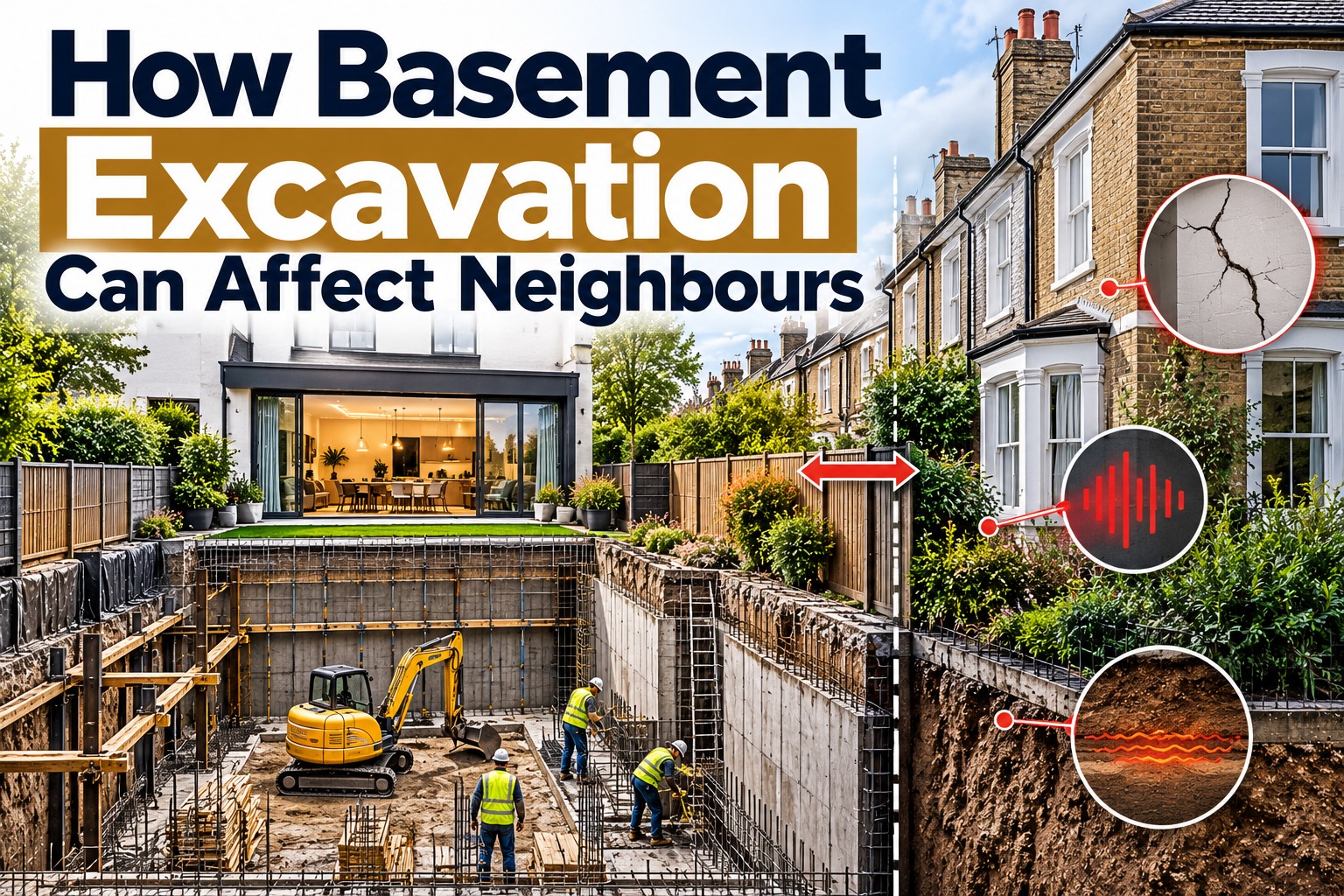
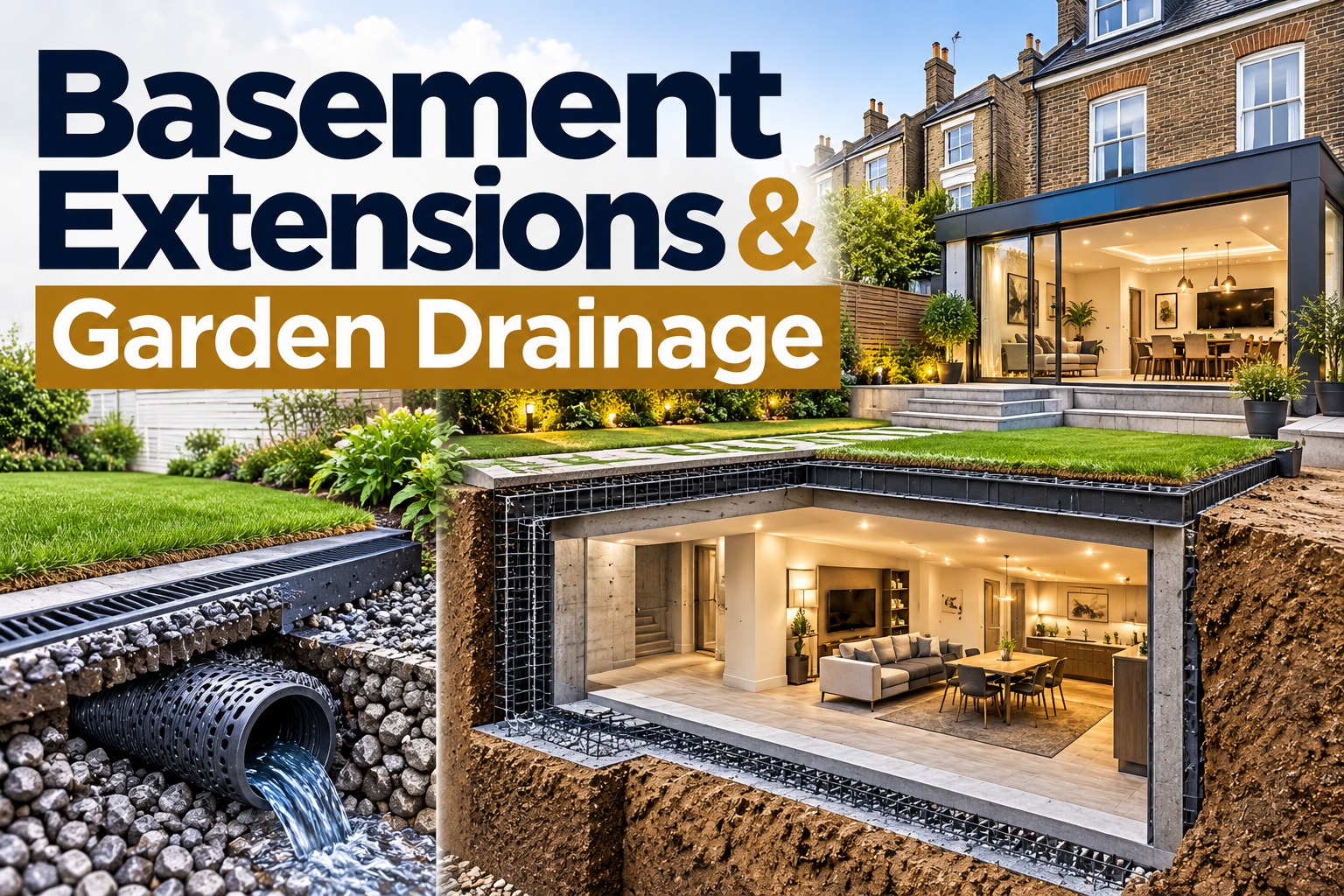
Basement conversions typically involve excavation work, underpinning or the addition of support structures. Water proofing is critical to avoid damp and water penetration in high-water-table areas. For a DIY job, investigate appropriate waterproofing methods such as cavity drain membranes or tanking systems and read the manufacturer’s instructions thoroughly.
Plan Finishes and Services
Choose flooring, wall finishes, lights and heating designs which can be appropriate to the use of the basement. Consider preparing for the plumbing, electrical and ventilation mechanism in advance as per UK safety norms.
Consult Professionals Where Needed
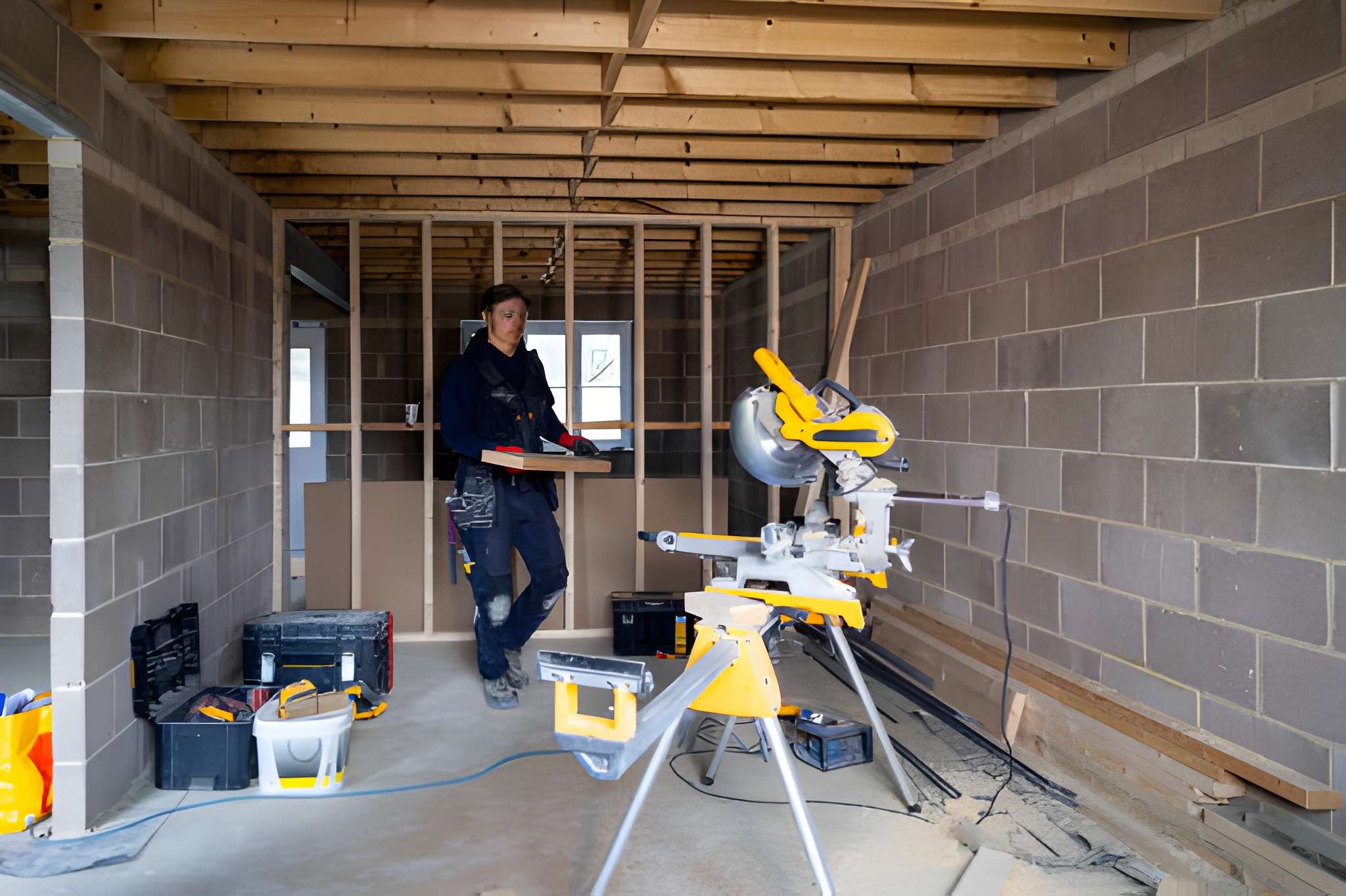
Although DIY is possible with much of the process, there are elements that may demand professional intervention – structural work, electrics and plumbing for example. Having firsthand professionals that can maintain it safe and in order is staying compliant,non-biodegradable,and having years of life ahead.
And for homeowners who want to maximize space and transform dreary basements into chic, practical living rooms the specialists in basement conversion London offer advice, expert process and guarantee everything is done according to government regulations.