
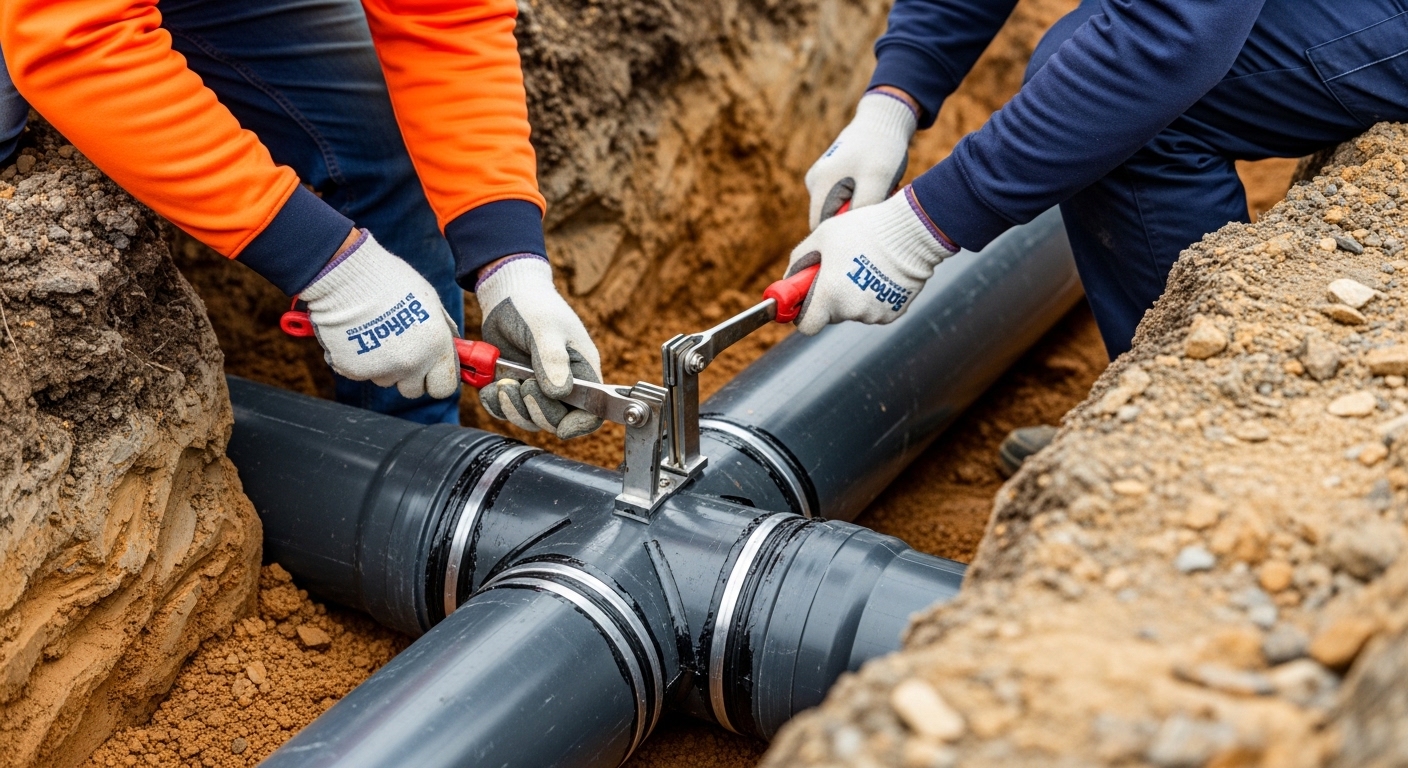
Drainage rerouting is a critical part of modern construction, especially in dense urban environments where underground services are complex and often undocumented. In projects like Basement Construction in Central London, rerouting existing drainage systems is often unavoidable to accommodate deeper excavations and structural works.
From a construction expert’s perspective, a well-planned drainage rerouting process ensures compliance, prevents flooding risks, and protects both the new structure and surrounding properties.
Why Drainage Rerouting is Necessary
Before diving into the process, it is important to understand why rerouting is required:
- Existing drains clash with proposed foundation or basement layout
- Old or damaged drainage systems need upgrading
- Changes in building design require new drainage alignment
- Compliance with local authority and water regulations
In high-density areas across Greater London, these challenges are common due to ageing infrastructure and limited space.
Step 1: Initial Site Assessment and Drainage Survey
The process begins with a detailed site inspection and drainage survey.
Key Activities:
- CCTV drain survey to inspect existing pipelines
- Identification of pipe condition, depth, and direction
- Mapping of drainage network
In boroughs like Westminster and Kensington and Chelsea, accurate mapping is essential due to complex underground utilities.
Step 2: Drainage Mapping and Design Planning
Once survey data is collected, engineers create a drainage layout plan.
This includes:
- Existing and proposed pipe routes
- Connection points to main sewer lines
- Flow direction and gradient calculations
For construction projects across London& its boroughs, careful drainage planning is essential to minimise disruption to neighbouring properties.
Step 3: Regulatory Approvals and Permissions
Drainage rerouting across London requires approvals from multiple relevant authorities.
Common approvals include:
- Local council permissions
- Water authority approvals
- Building regulation compliance
In boroughs such as Barnet and Harrow, failure to secure the necessary approvals can lead to significant project delays and potential legal complications.
Step 4: Method Selection for Rerouting
Depending on site constraints, engineers select the most suitable rerouting method.
Common methods:
- Open cut excavation
- Trenchless technology (where access is limited)
- Pipe diversion around basement footprint
For tight urban locations such as Wembley and Wimbledon, trenchless solutions are often preferred to reduce disruption.
Step 5: Temporary Drainage Management
Before rerouting begins, temporary systems must be installed to maintain flow.
This may include:
- Temporary bypass piping
- Pumping systems
- Flow diversion setups
This step is crucial to avoid flooding or service interruption, especially in residential zonesand in locations with complex below like the metro.
Step 6: Excavation and Installation
This is the execution phase where the new drainage system is installed.
Key tasks:
- Excavation of new trenches or pathways
- Installation of new pipes with correct gradients
- Secure jointing and alignment
In basement projects, this stage is carefully coordinated with structural excavation works.
Step 7: Connection to Existing Sewer System
Once new pipes are installed, they are connected to the main sewer or drainage network.
Important considerations:
- Leak proof connections
- Proper sealing and testing
- Compliance with water authority standards
This step ensures the new system functions efficiently without environmental risks.
Step 8: Testing and Inspection
After installation, the system undergoes rigorous testing.
Tests include:
- Water flow testing
- CCTV inspection for defects
- Pressure and leakage checks
In professional practice, no drainage system is approved without passing these tests.
Step 9: Backfilling and Site Restoration
Once approved, trenches are backfilled and the site is restored.
This involves:
- Compaction of soil layers
- Surface reinstatement
- Landscaping or paving restoration
Proper backfilling is essential to prevent future ground settlement.
Step 10: Final Documentation and Handover
The final stage includes preparing documentation for records and compliance.
Deliverables:
- Updated drainage layout drawings
- Test reports and approvals
- Completion certificates
This documentation is crucial for future maintenance and property transactions.
Common Challenges in Drainage Rerouting
From field experience across London projects, typical challenges include:
- Limited access in densely built areas
- Unknown or undocumented drainage lines
- High groundwater levels
- Coordination with multiple utilities
Each of these requires careful planning and experienced execution.
Great Heading: Precision Planning Leads to Reliable Drainage Systems
Drainage rerouting is not just a technical requirement, it is a critical component of successful construction. Across London and its boroughs, the complexity of underground infrastructure makes expert planning essential.
When executed correctly, drainage rerouting ensures long-term performance, regulatory compliance, and protection of both the structure and surrounding environment.