
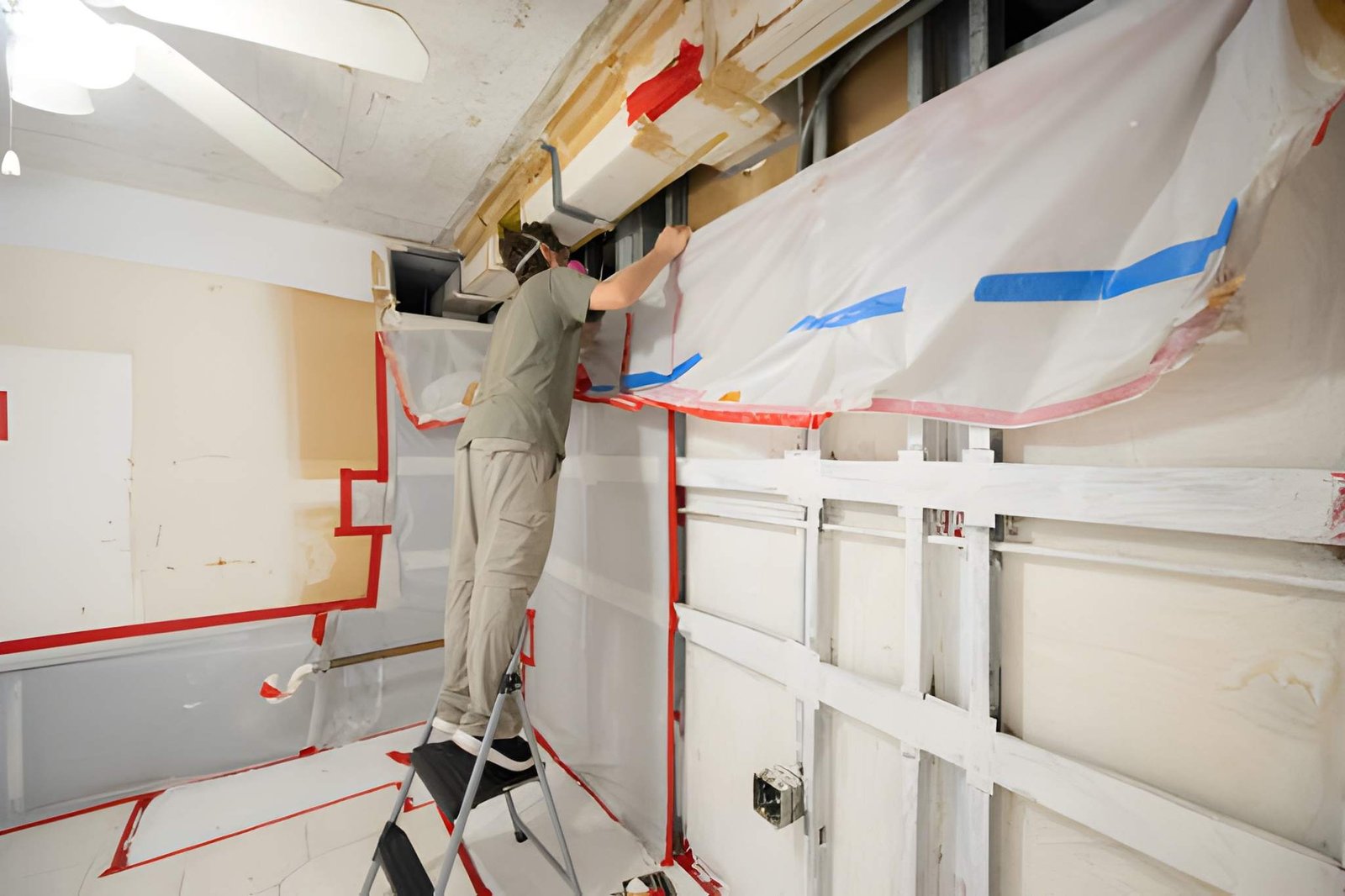
Renovating a property is an exciting step—but before walls are opened, ceilings removed, or flooring replaced, one critical process must take place: pre-renovation asbestos testing.
For property owners planning upgrades in London, working with Certified Asbestos Testing Services London is not only a safety precaution—it’s often a legal requirement.
Many buildings constructed before the year 2000 may contain asbestos in insulation, textured coatings, ceiling tiles, pipe lagging, floor adhesives, and cement products. Disturbing these materials during renovation can release microscopic fibres into the air, posing serious health risks. Understanding what to expect during the testing process helps you prepare properly and avoid costly delays.
Why Pre-Renovation Asbestos Testing Is Necessary
Renovation work disturbs a building’s structure. Drilling, cutting, sanding, and demolition can all release asbestos fibres if asbestos-containing materials (ACMs) are present. These fibres are invisible to the naked eye and can linger in the air for hours.
Engaging certified professionals before renovation begins helps to:
- Identify ACMs before disturbance
- Protect workers, occupants, and neighbours
- Comply with UK asbestos regulations (Control of Asbestos Regulations 2012)
- Prevent unexpected project shutdowns
- Reduce legal and financial liability
In many cases, testing isn’t just recommended—it’s a regulatory obligation.
When Testing Should Be Carried Out
Pre-renovation asbestos testing should be completed during the planning phase, before any physical work begins.
Ideal timing ensures:
- Surveyors can access all affected areas
- Lab results are ready before demolition
- Removal plans integrate smoothly into the timeline
- Budget adjustments can be made early
Delaying testing can cause major disruptions if asbestos is discovered mid-renovation.
What Happens During the Initial Survey
The process begins with a Refurbishment and Demolition (R&D) Asbestos Survey—more intrusive than a standard management survey because it inspects areas slated for alteration.
Certified surveyors will typically:
- Conduct a thorough site inspection
- Review your renovation plans
- Identify high-risk zones for sampling
- Assess building age and construction materials
Access may be needed to wall cavities, ceiling voids, ducts, and subfloors. Minor, controlled damage may occur to collect accurate samples.
How Samples Are Collected Safely
Surveyors follow strict safety protocols:
- Wear full PPE (personal protective equipment)
- Use wet methods and sealed tools to suppress dust
- Place small samples in labelled, airtight containers
- Document each sample’s exact location and material type
The area is cleaned post-sampling to prevent contamination.
Laboratory Testing and Analysis
Samples are sent to a UKAS-accredited lab for analysis using polarised light microscopy (PLM) or other approved methods.
Testing determines:
- Whether asbestos is present
- The specific type (e.g., chrysotile, amosite, crocidolite)
- Material condition and friability
- Potential risk level
Results are typically available within 3–5 working days (expedited options may be available).
Understanding the Asbestos Report
You’ll receive a detailed survey report that includes:
- Sample locations with photos
- Laboratory findings
- Risk assessments for each material
- Clear recommendations: manage in place or remove
This document is essential for contractors, planners, and building control.
What Happens If Asbestos Is Found
If ACMs are located in areas to be disturbed, licensed removal is usually required before renovation proceeds.
The removal process includes:
- Sealing off the work area with negative air units
- Safe extraction by HSE-licensed contractors
- Air monitoring during and after removal
- Clearance certificate before construction resumes
Many certified testing services coordinate directly with removal teams for seamless handover.
How Testing Protects Your Renovation Timeline
Unexpected asbestos discoveries can halt work immediately—leading to weeks of delays and budget overruns.
Early testing allows you to:
- Plan removal during design phase
- Avoid emergency remediation costs
- Keep contractor schedules on track
- Protect your property’s value and reputation
In fast-paced London projects, this foresight is invaluable.
Preparing for the Survey
To ensure a smooth process, property owners should:
- Grant full access to all renovation zones
- Share architectural drawings with the surveyor
- Notify tenants or occupants about the inspection
- Allow 5–7 days for testing and reporting before work starts
Conclusion
Pre-renovation asbestos testing is a vital safeguard in any refurbishment project. From initial inspection to final clearance, each stage protects health, ensures legal compliance, and keeps your renovation on schedule.
By engaging Certified Asbestos Testing Services London before work begins, property owners can proceed with confidence—knowing their project is safe, compliant, and fully informed.


