
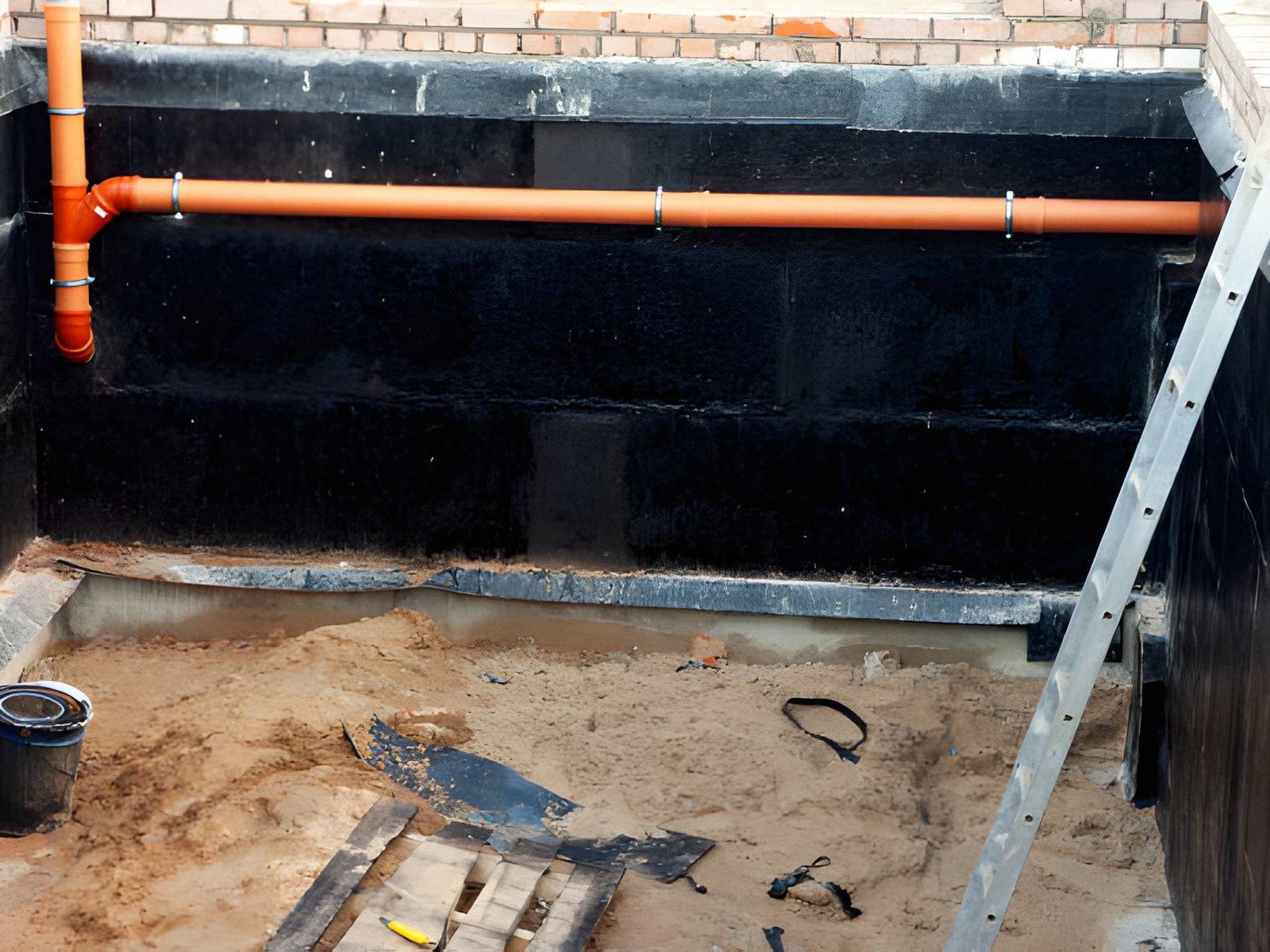
Waterproofing and drainage planning define the long-term performance of any basement. They are not finishing touches—they are core structural decisions that influence design, excavation depth, wall thickness, internal layout, and even electrical positioning.
For homeowners considering Basement Construction in Barnet, the timing of these decisions is especially important. Barnet properties often sit on clay-rich soil, and many homes are older builds with shallow foundations. These factors make early moisture control planning essential for durability and safety.
Why Waterproofing Must Be Considered at the Feasibility Stage
The feasibility stage—when surveys, soil reports, and initial architectural concepts are prepared—is the right time to introduce waterproofing specialists into the conversation.
At this early stage, professionals assess:
- Groundwater levels throughout the year
- Soil permeability and expansion behavior
- Existing foundation depth
- Proximity to neighboring structures
- Local drainage infrastructure
In Basement Construction in Barnet, ignoring waterproofing at this stage can lead to costly redesigns later. For example, if groundwater pressure is high, wall thickness and reinforcement may need adjustment—changes far easier to manage before structural drawings are finalized.
When Drainage Strategy Should Be Designed
Drainage strategy should be developed alongside structural calculations—not after excavation begins.
A well-designed system answers critical questions early:
- How will groundwater be controlled?
- Where will collected water discharge?
- Is gravity drainage possible, or is a pump system required?
- How will the system cope during heavy rainfall?
Barnet experiences seasonal rainfall fluctuations. During heavy rain, groundwater levels can rise significantly. Therefore, drainage capacity must be calculated for peak conditions, not average weather.
Why Soil Testing Shapes Waterproofing Decisions
Clay soil—common in Barnet—retains moisture and exerts hydrostatic pressure against basement walls and floors. Unlike sandy soils, it cannot be managed with surface coatings alone.
Early soil testing directly influences:
- Choice of waterproofing system (Type A, B, or C per BS 8102)
- Need for land drains
- Requirement for reinforced retaining walls
- Depth of excavation
- Type of concrete mix used
In Basement Construction in Barnet, soil analysis is not optional—it’s foundational to engineering decisions.
When Structural and Waterproofing Designs Must Align
Waterproofing systems must integrate with structural elements. If walls are designed without accounting for membranes or drainage cavities, installation becomes difficult or impossible.
Alignment must occur during the detailed design stage, before construction begins. At this point, the team decides:
- Whether waterproofing will be external, internal, or combined
- Where drainage channels will sit within the slab
- How service penetrations (pipes, cables) will be sealed
- Where inspection ports will be located
In Barnet, tight property boundaries often limit access for external waterproofing—making internal cavity systems more common. But this decision requires early spatial planning.
Why Excavation Is Not the Starting Point
Many assume waterproofing begins once digging starts. In reality, excavation is merely the execution of a strategy that should already be complete.
Starting excavation without a finalized waterproofing plan increases risks: delays, redesigns, cost overruns, and structural compromises. In Basement Construction in Barnet, where access is narrow and logistics tightly scheduled, such delays can severely impact budgets and timelines.
When Installation Planning Should Be Scheduled
Strategic planning begins early, but installation preparation should be scheduled before excavation finishes:
- Ordering membranes and drainage components
- Scheduling pump system installation
- Preparing inspection and testing procedures
- Coordinating electrical supply for sump pumps
This ensures waterproofing follows immediately after structural works (e.g., underpinning), reducing exposure time and preventing water accumulation in open pits.
Why Long-Term Maintenance Must Be Planned in Advance
Waterproofing and drainage systems require ongoing care: pumps need servicing, drains need cleaning.
Maintenance access must be designed into the layout from the start—through access panels, removable floor sections, or service chambers.
Since Barnet basements often become living rooms, gyms, or home offices, retrofitting access later can be disruptive and expensive.
When Building Regulations and Insurance Requirements Apply
Compliance with UK building regulations (e.g., BS 8102:2022) and insurance standards must be addressed before construction approval.
Documentation, system selection, and installation methods must meet regulatory expectations. In Basement Construction in Barnet, early coordination with building control and local authorities ensures smooth approvals—preventing legal setbacks or work stoppages.


