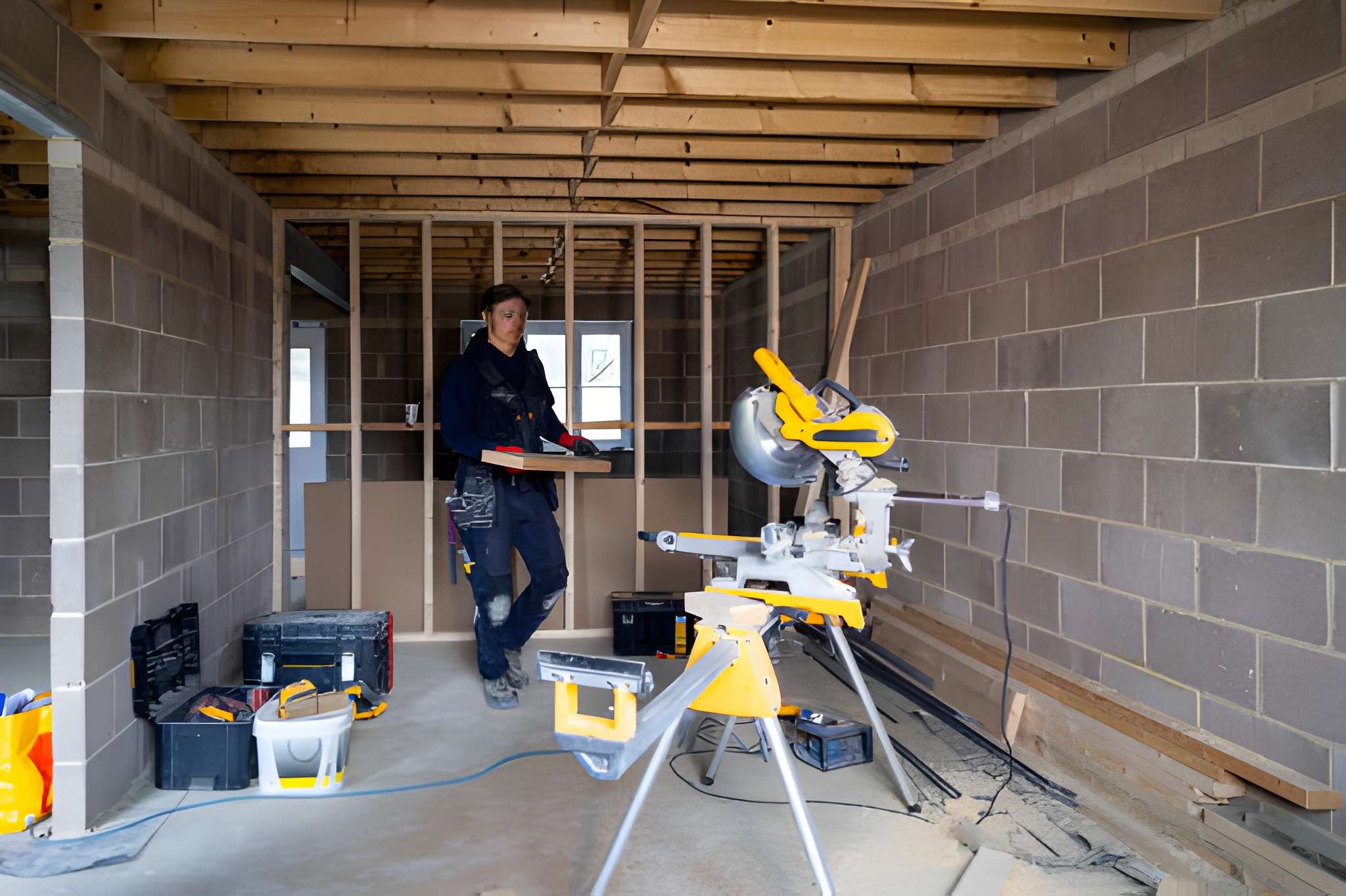

The construction industry is one of the most high-risk sectors in the UK, with workers exposed to hazards ranging from heavy machinery to working at height and structural instability. To minimise accidents and protect everyone involved, the UK government established the Construction (Design and Management) Regulations, better known as CDM Regulations. These rules apply to all construction projects, regardless of size, and are a legal requirement for safe and compliant site operations.
What Are CDM Regulations?
CDM Regulations set out health and safety responsibilities for every duty holder involved in a construction project. This includes clients, contractors, designers, and principal duty holders. Their purpose is to enhance site safety through planning, communication, and risk management from start to finish.
Early Risk Identification and Safer Design
One of the biggest advantages of CDM is its emphasis on early risk elimination. Designers must consider safety during the planning phase, reducing hazards before construction even begins. By integrating safety into the design, the likelihood of accidents later in the build significantly decreases.
Clear Roles for Accountability
Each party in a project has defined responsibilities. Clients must appoint qualified duty holders, designers must reduce foreseeable risks, and contractors must manage safe working practices. This structured approach ensures accountability, preventing miscommunication and unsafe decisions on-site.
Better Health and Safety Coordination
CDM Regulations require a structured management plan that outlines safety procedures, emergency protocols, and communication channels. Regular monitoring, site inductions, and safety briefings ensure all workers understand the risks and best practices. This proactive safety culture reduces injuries and improves operational efficiency.
Protecting Workers and the Public
Construction sites often operate in busy areas or near public spaces. CDM ensures protective measures are in place, including safe access points, barrier systems, and controlled zones. Workers benefit from improved welfare facilities, clear work instructions, and constant supervision to reduce exposure to hazards.
Legal Compliance and Avoiding Costly Penalties
Non-compliance with CDM Regulations can lead to heavy fines, project shutdowns, legal liabilities, and long-term reputational damage. Managing safety properly not only protects people but also protects the financial interests of the project stakeholders.
Work with Experienced Professionals
Construction safety is not optional. It requires knowledgeable teams who understand UK regulations and deliver projects with full legal compliance. Partnering with industry experts ensures health, safety, and coordination are managed efficiently across all phases of construction. For safe, compliant, and professionally managed sites, developers and contractors should collaborate with reliable civil engineering contractors london.